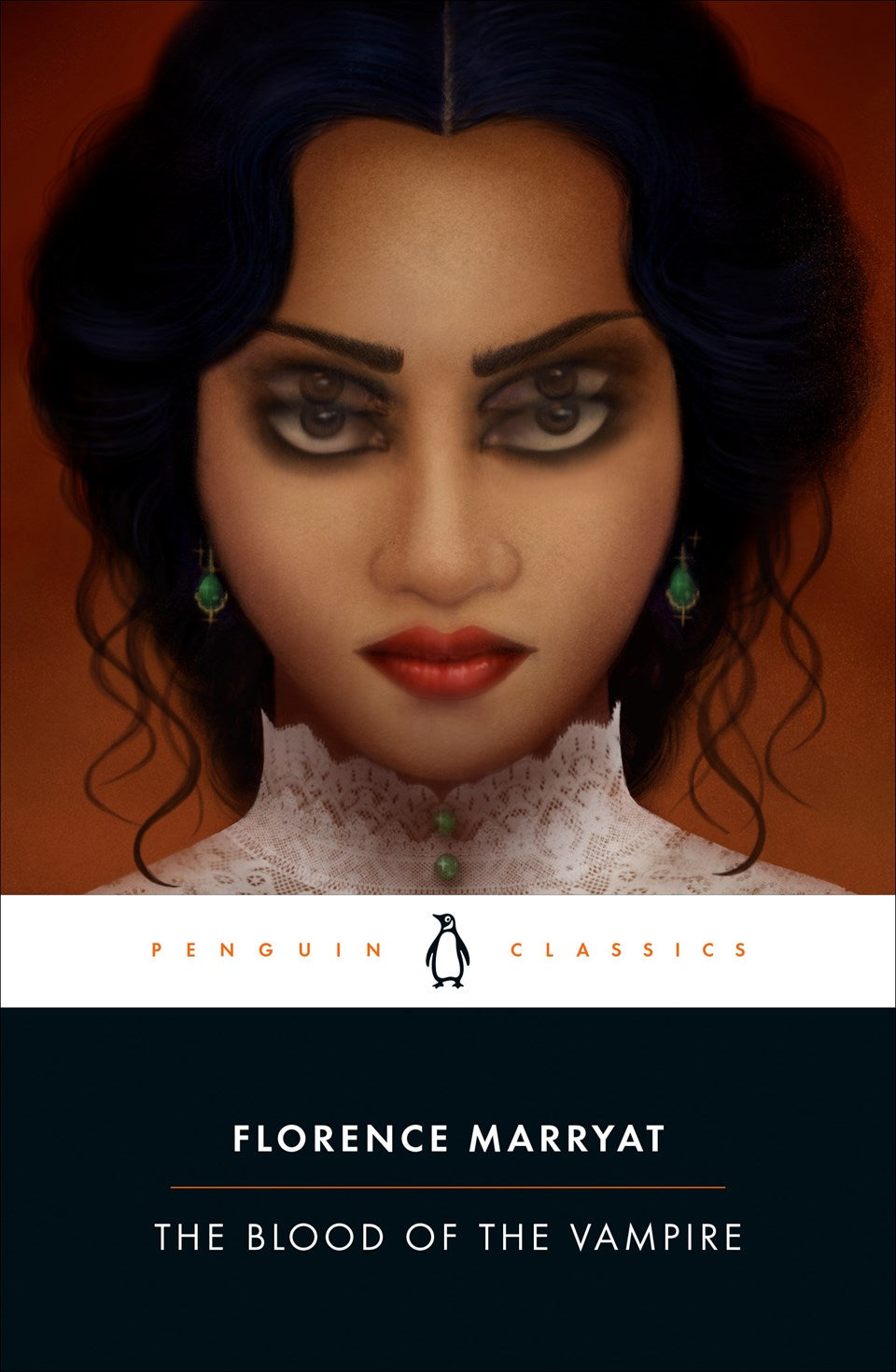

The Blood of the Vampire
The Blood of the Vampire
Couldn't load pickup availability
By: Florence Marryat
Published in the same year as Dracula, an overlooked nineteenth-century Gothic novel centered around a queer, feminist vampire that challenged the norms of Victorian society
In 1897, the same year Dracula by Bram Stoker was published, Florence Marryat released The Blood of the Vampire, featuring a protagonist ahead of her time: a female, bisexual, biracial, psychic (feeding off life force rather than blood) vampire. In contrast to Stoker’s predatory vampire, Marryat’s vampire is a gentle and caring young woman who searches for love but is instead accused of killing those who get too close. What makes Marryat’s novel unique is that it implores readers to sympathize with rather than demonize the vampire, and by extension the communities she is part of, and to understand the intricacies of her identity and the societal norms that oppress her. In this vampire novel steeped in the New Woman feminist ideology of the late Victorian era, Marryat issues a strong critique of her generation’s gender norms, racism, and medical discrimination in clear and engaging prose accessible to the everyday general reader, a contrast to the verbose and didactic writing of her contemporaries.
Her bestselling popularity was often criticized, even by family friend Charles Dickens. Her work was scorned by her literary contempories as simplistic due to her primarily middle- and lower-class readership, and deemed inappropriate, especially from a woman writer who wrote in detail of Victorian society’s repression of women. Marryat’s thrilling plots about women who rejected the traditional notions of Victorian womanhood were both transgressive and widely popular during her time, and now readers can enjoy an overlooked influence on the vampire genre.